


Creating a Home of Mercy and Love: Lessons from the Life of Prophet Muhammad
- Laila Nasheeba
- 1 day ago
- 4 min read

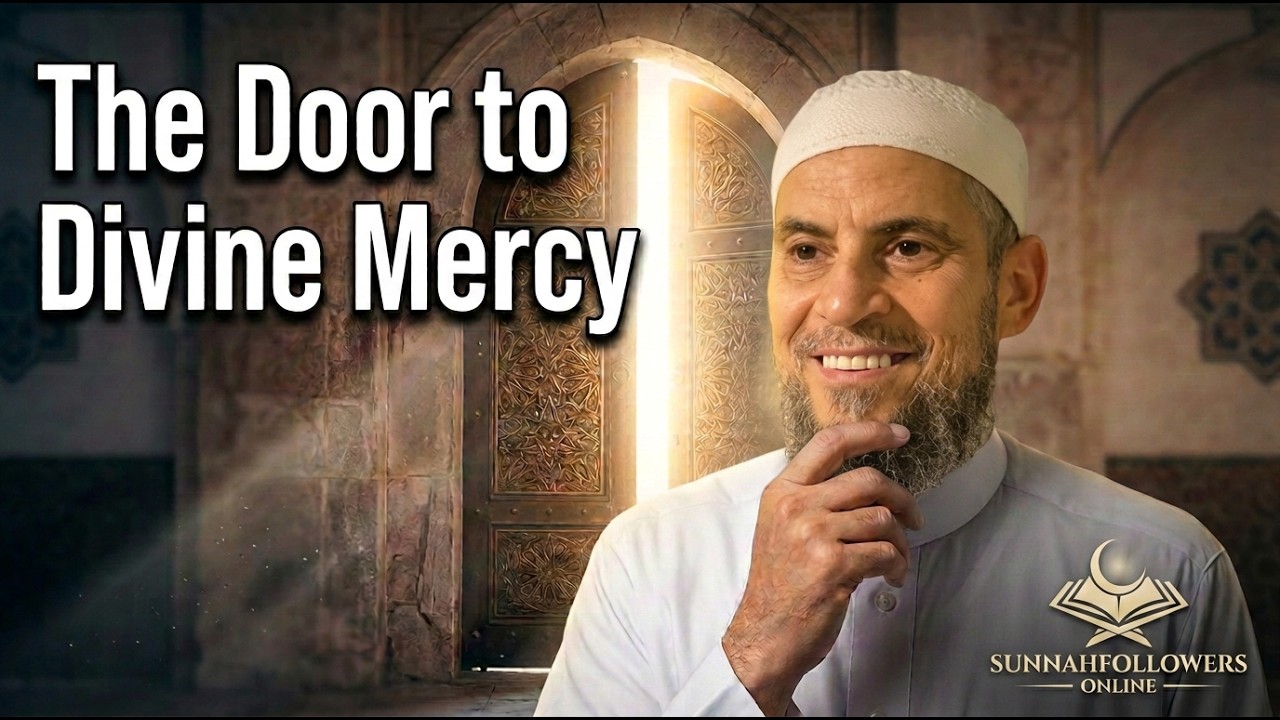
A home filled with mercy and love is the foundation of a peaceful and nurturing family life. Dr. Ibrahim Dremali recently shared insights on how Muslim families can build such homes by following the example set by Prophet Muhammad. His life offers practical lessons on kindness, patience, and compassion that remain relevant today. This post explores those lessons and how they can transform your household into a sanctuary of warmth and understanding.

The Importance of Mercy in the Muslime Home
Mercy is a central theme in Islam, and Prophet Muhammad embodied it in every aspect of his life. He taught that mercy should not be limited to strangers or the community but must begin within the family. Mercy in the home means showing kindness even during disagreements, forgiving mistakes, and supporting one another through challenges.
Dr. Ibrahim Dremali emphasizes that mercy creates an environment where family members feel safe and valued. This safety encourages open communication and emotional healing. For example, when a child makes a mistake, responding with patience rather than anger helps build trust and confidence.
Love as the Foundation of Family Life
Love in the Muslim home goes beyond affection; it is a commitment to care, respect, and nurture each other. Prophet Muhammad’s relationship with his family was marked by tenderness and respect. He listened attentively, shared responsibilities, and expressed love openly.
One example from his life is how he treated his wives with respect and kindness, even during difficult times. He would help with household chores and always spoke gently. This behavior sets a standard for spouses and parents to follow, showing that love is active and demonstrated through daily actions.
Practical Ways to Build a Home Like the Prophet’s
Dr. Ibrahim Dremali outlines several practical steps families can take to create a home filled with mercy and love:
Practice forgiveness regularly
Holding grudges damages relationships. The Prophet forgave those who wronged him and encouraged his followers to do the same.
Show gratitude daily
Expressing thanks for small acts of kindness strengthens bonds and reminds family members of their value.
Spend quality time together
The Prophet prioritized family time, whether through shared meals or simple conversations.
Communicate with kindness
Words have power. Speaking gently and avoiding harsh language fosters respect and understanding.
Support each other’s growth
Encouraging education, spiritual development, and personal goals helps family members thrive.
Teaching Children Mercy and Love
Children learn by example, and the Prophet’s life offers a clear model. He showed mercy to children by playing with them, listening to their concerns, and teaching with patience. Dr. Ibrahim Dremali highlights that nurturing children with love creates confident and compassionate adults.
Parents can adopt these practices by:
Listening actively to children’s feelings
Encouraging empathy through stories and role models
Avoiding punishment that harms self-esteem
Celebrating achievements, big or small
Handling Conflict with Compassion
No family is without conflict, but the way it is handled makes all the difference. Prophet Muhammad approached conflicts with calmness and sought peaceful resolutions. He advised patience and reminded his followers that anger harms relationships.
In practice, this means:
Taking time to cool down before addressing issues
Avoiding blame and focusing on solutions
Apologizing sincerely when wrong
Seeking mutual understanding rather than winning arguments
Creating a Spiritual Atmosphere at Home
The Prophet’s home was a place of worship and reflection. He encouraged regular prayer, reading the Quran, and remembering God together. This spiritual atmosphere strengthens family ties and provides a shared sense of purpose.
Dr. Ibrahim Dremali suggests families set aside time for:
Praying together daily
Discussing Quranic stories and lessons
Practicing gratitude and supplication as a group
The Role of Hospitality and Generosity
Hospitality is a form of mercy and love that extends beyond the family. Prophet Muhammad welcomed guests warmly and taught that generosity begins at home. Inviting neighbors, sharing meals, and helping those in need create a community of care.
Families can practice this by:
Hosting regular gatherings
Sharing food with those less fortunate
Teaching children the value of giving
Maintaining Balance and Boundaries
While mercy and love are essential, the Prophet also maintained clear boundaries to ensure respect and order. Discipline was balanced with kindness, and personal space was honored. This balance helps prevent resentment and promotes harmony.
Key points include:
Setting clear expectations for behavior
Respecting each family member’s privacy
Encouraging responsibility and accountability
Final Thoughts on Building a Home of Mercy and Love
The life of Prophet Muhammad offers timeless guidance for creating a home where mercy and love flourish. By practicing forgiveness, showing kindness, nurturing children, handling conflict with compassion, and fostering spirituality, families can build strong, supportive relationships.
Dr. Ibrahim Dremali’s insights remind us that these values are not abstract ideals but practical actions we can take every day. Start small, be consistent, and watch your home transform into a place of peace and joy. The next step is to reflect on your family’s current dynamics and choose one or two practices to implement this week. Your home can become a true reflection of the Prophet’s mercy and love.
Live Lecture https://youtube.com/live/Mc1nWLmgcCY





Comments