


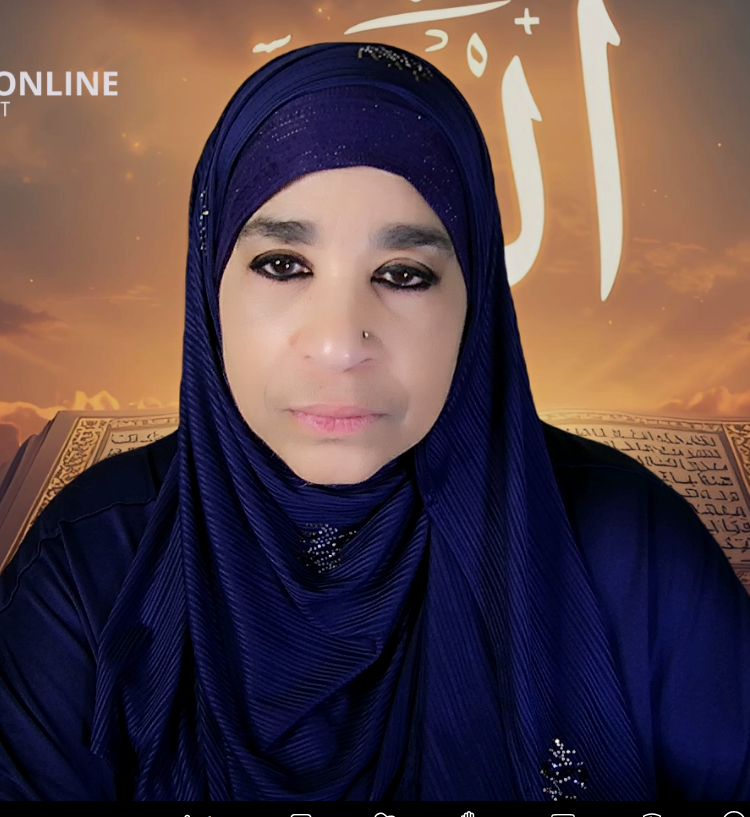
Lessons on Leadership and Divine Justice in Surah Al Araf Verses 154-159 by Ustadah Laila Nasheeba

The story of Prophet Musaa (Moses) and his people in Surah Al Araf, verses 154-159, offers profound insights into leadership, divine justice, and human responses to God's commands. Ustadah Laila Nasheeba, drawing on the Maqasidic Tafsir of Dr. Karim Abzaid, unpacks these verses to reveal lessons that remain relevant for believers today. These verses highlight contrasting attitudes among the followers of Musaa, showing both resoluteness and passivity in the face of divine guidance.

The Context of Surah Al Araf Verses 154-159
These verses narrate a critical moment when Prophet Musaa received the tablets containing divine laws on Mount Sinai. The people’s reactions to these laws and to Musaa’s leadership reveal much about human nature and the challenges of guiding a community.
Verse 154 describes how Musaa received the tablets engraved with guidance and mercy.
Verses 155-156 recount the people's impatience and their turning to idolatry during Musaa’s absence.
Verses 157-159 show Musaa’s response, his plea for forgiveness for his people, and God’s mercy despite their failings.
Understanding this context is essential to grasping the lessons on leadership and justice embedded in the narrative.
Leadership Lessons from Prophet Musaa’s Example
Ustadah Laila Nasheeba emphasizes that Musaa’s leadership was marked by patience, resilience, and a deep sense of responsibility. His example teaches several key points:
Steadfastness in Adversity
Musaa faced a community that quickly lost faith and turned to false gods. Instead of abandoning them, he remained committed to guiding them back to the right path.
Intercession and Compassion
When the people sinned, Musaa did not condemn them harshly. He prayed for their forgiveness, showing that true leaders care for their followers even when they err.
Clear Communication of Divine Commands
Musaa conveyed God’s laws clearly and firmly, ensuring the people understood their duties. This clarity is crucial for effective leadership.
These qualities reflect a leadership style that balances firmness with mercy, a model that leaders today can learn from.
Divine Justice and Mercy in the Verses
The verses also reveal how divine justice operates alongside mercy:
Accountability for Actions
The people’s turning to idolatry was a serious breach of their covenant with God. The narrative shows that actions have consequences, and justice requires accountability.
Opportunity for Repentance
Despite their mistakes, God’s mercy is evident. Musaa’s prayers for forgiveness are accepted, illustrating that divine justice is not rigid but allows for repentance and reform.
Balance Between Punishment and Forgiveness
The story teaches that justice involves both upholding the law and offering mercy, a balance that maintains social order while encouraging spiritual growth.
This balance is a reminder that justice systems, whether divine or human, should aim to correct and restore rather than only punish.
Human Responses to Divine Commands
The contrasting attitudes among Musaa’s followers provide insight into human behavior when faced with divine guidance:
Resoluteness
Some followers remained faithful and patient, embodying trust in God and their leader.
Passivity and Weakness
Others gave in to fear and impatience, leading to idolatry and disobedience.
Ustadah Laila Nasheeba points out that these responses are common in any community. The challenge for leaders is to nurture resilience and prevent passivity from taking hold.
Practical Applications for Today’s Readers
The lessons from these verses are not confined to history. They offer practical guidance for individuals and communities:
For Leaders
Emulate Musaa’s patience and compassion. Lead with clarity and stand firm in the face of challenges.
For Followers
Cultivate patience and trust in divine wisdom. Avoid the temptation to abandon principles when difficulties arise.
For Communities
Foster an environment where accountability and mercy coexist. Encourage repentance and support reform.
By applying these principles, communities can navigate challenges with strength and unity.
Reflecting on the Maqasidic Tafsir Approach
Dr. Karim Abzaid’s Maqasidic Tafsir focuses on the higher objectives of Shariah, such as preserving faith, life, intellect, lineage, and property. Ustadah Laila Nasheeba’s explanation through this lens highlights how the verses serve these objectives:
Preserving Faith through clear guidance and correction of idolatry.
Protecting the Community by establishing justice and leadership.
Encouraging Repentance to maintain social harmony and spiritual health.
This approach deepens our understanding of the Quranic message beyond literal interpretation, emphasizing its purpose in human welfare.
Conclusion: Embracing Leadership and Justice in Our Lives
The story of Musaa and his people in Surah Al Araf, verses 154-159, offers timeless lessons on leadership, divine justice, and human responses to divine commands. Ustadah Laila Nasheeba’s insights, based on the Maqasidic Tafsir of Dr. Karim Abzaid, remind us that effective leadership requires patience, compassion, and clear communication. Divine justice balances accountability with mercy, encouraging repentance and growth.


Comments