


The Danger of Believing in Fortune Tellers and Their Claims to the Unseen

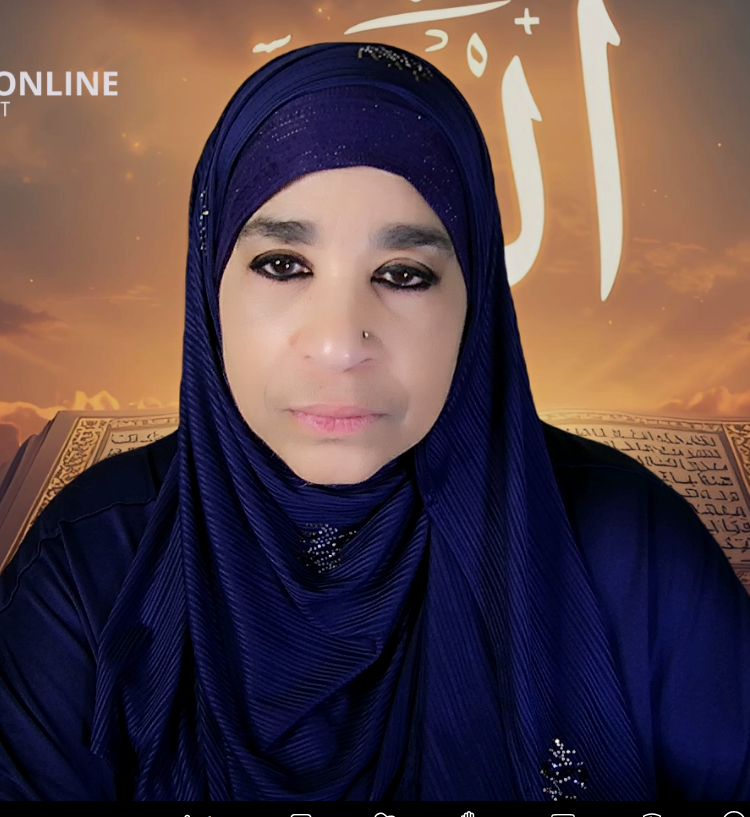
Believing that some people can know the unseen is a serious mistake that many fall into. Fortune tellers, soothsayers, astrologers, tea cup readers, and similar figures claim to have knowledge beyond what is humanly possible. This belief not only misguides people but also contradicts the core teachings of Islam. Ustadah Laila Nasheeba has spoken clearly about this issue, warning against trusting those who claim to know the unseen, as their knowledge does not come from Allah but from Iblis. This post explores why such beliefs are dangerous, what Islamic teachings say about them, and how believers should respond.

Understanding the Unseen in Islam
In Islam, the unseen (al-ghayb) refers to knowledge that only Allah possesses. The Quran states clearly:
“He is the Knower of the Unseen, and He reveals unto none His secret, save unto every messenger whom He has chosen, and then He makes a guard to go before him and a guard behind him that He may know that they have indeed conveyed the messages of their Lord. He surrounds all their doings, and He keeps count of all things.” (al-Jinn 26-28)
This verse emphasizes that only Allah knows the unseen and reveals it only to His chosen messengers. No ordinary person can claim this knowledge. Believing otherwise is a grave error that undermines the foundation of Islamic faith.
Why Believing in Fortune Tellers Is Harmful
Many people turn to fortune tellers, astrologers, and soothsayers seeking answers about their future or hidden matters. This reliance is dangerous for several reasons:
It contradicts Tawheed (the oneness of Allah): Claiming that someone other than Allah knows the unseen challenges the belief that Allah alone has ultimate knowledge.
It leads to shirk (associating partners with Allah): Trusting these claims can amount to placing others on the same level as Allah in terms of knowledge and power.
It invalidates prayers: The Prophet Muhammad (peace be upon him) said, “Whoever goes to a diviner and asks about something, his prayer will not be accepted for forty days.” This shows the spiritual harm caused by such actions.
It spreads false hope and fear: These claims often mislead people, causing unnecessary anxiety or false confidence.
It opens the door to deception: Many fortune tellers exploit vulnerable people for money or control.
What the Prophet Muhammad Said About Diviners and Soothsayers
The Prophet Muhammad warned strongly against consulting diviners and soothsayers. He said:
“Whoever goes to a diviner and asks about something, his prayer will not be accepted for forty days.”
“To believe in what they say is disbelief.”
“Whoever goes to a diviner or soothsayer and confirms what they have said, then he has disbelieved in what was revealed to Muhammad.”
These statements make it clear that seeking or believing in such knowledge is not just wrong but leads to disbelief. This is a serious warning that should not be ignored.
Examples of Those Who Claim to Know the Unseen
Several groups fall under the category of those who falsely claim knowledge of the unseen:
Astrologers: They claim to predict the future based on stars and planets.
Tea cup readers: They interpret patterns in tea leaves to reveal hidden information.
Numerologists: They assign mystical meanings to numbers to predict events.
Magicians and soothsayers: They claim supernatural insight or powers.
All these practices have no basis in Islam and are forms of misguidance.
The Role of Jinn and UFO Sightings
Ustadah Laila Nasheeba also addressed UFO sightings. She explained that many of these sightings are actually encounters with jinn, unseen beings created by Allah. People see them off guard when they have taken on other shapes and appearances and mistake them for extraterrestrial objects. This shows how easily people can be misled when they do not understand the unseen world according to Islamic teachings.
What Muslims Should Do About This Misguidance
It is the responsibility of those who know the religion to speak out against these false claims. This includes:
Educating others: Use clear evidence from the Quran and Sunnah to show why these claims are false.
Warning against these practices: Remind people of the spiritual dangers involved.
Supporting efforts to stop fortune telling: Those with authority should take action to prevent these harmful practices.
Encouraging reliance on Allah alone: Teach that true knowledge of the unseen belongs only to Allah and His messengers.
Practical Steps to Avoid Falling Into This Trap
To protect oneself and others from this misguidance, consider the following:
Avoid consulting fortune tellers or astrologers.
Do not believe or spread their predictions.
Seek knowledge from authentic Islamic sources.
Strengthen your faith in Allah’s wisdom and decree.
Turn to prayer and supplication for guidance and relief.
Summary
Believing that fortune-tellers or soothsayers possess knowledge of the unseen is a serious mistake that contradicts Islamic teachings. Allah alone knows the unseen and reveals it only to His chosen messengers. The Prophet Muhammad warned strongly against consulting such people and believing their claims. These practices lead to disbelief and spiritual harm. It is the duty of Muslims to reject this misguidance, educate others, and rely solely on Allah for knowledge and guidance. Recognizing the reality of jinn and avoiding false claims about the unseen protects faith and keeps believers on the right path.


Comments