


The Power of Words: How Muslim Parents Can Shape Their Children's Future
- Laila Nasheeba
- Jul 29
- 3 min read

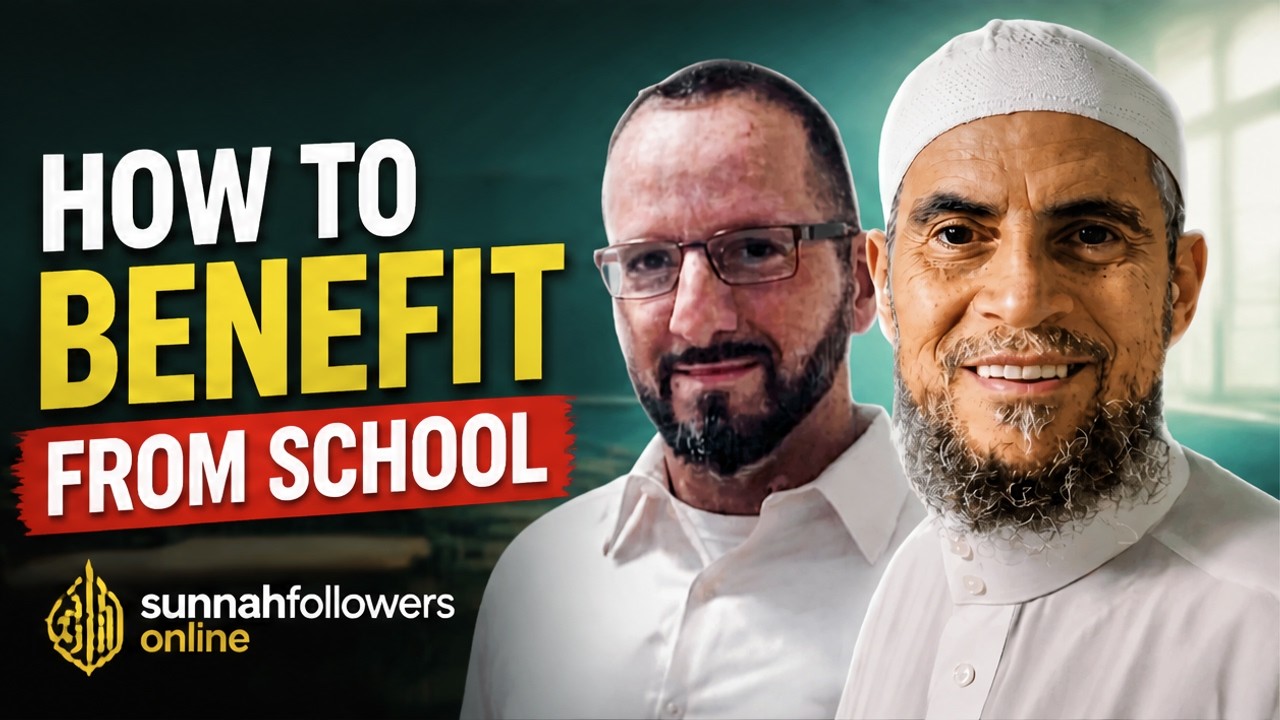
Words carry immense power. They can build confidence or sow doubt, inspire hope or breed fear. For Muslim parents, the words they choose when speaking to their children can shape not only their character but also their future. Mohammed Ziedeh and Dr. Ibrahim Dremali recently emphasized this truth, highlighting how intentional communication within Muslim families can nurture strong, compassionate, and resilient individuals.
This post explores why the language parents use matters deeply, how it influences children’s development, and practical ways Muslim parents can harness the power of words to guide their children toward a positive and meaningful life.

Why Words Matter More Than We Realize
Children absorb far more than just facts from their parents. They internalize attitudes, beliefs, and values through everyday conversations. The words parents choose become the lens through which children view themselves and the world.
Research in child psychology shows that positive language fosters self-esteem and emotional security. Conversely, harsh or careless words can cause lasting damage, leading to anxiety, low confidence, or behavioral issues. For Muslim parents, this means the way they speak to their children can either strengthen their faith and identity or create confusion and doubt.
Mohammed Ziedeh points out that words are seeds planted in young hearts. If parents sow kindness, encouragement, and faith, children grow into adults who embody those qualities. Dr. Ibrahim Dremali adds that words shape children's moral compass, guiding their decisions and interactions throughout life.
How Words Shape Identity and Faith
Muslim children grow up balancing cultural, religious, and social influences. The language parents use plays a crucial role in helping children understand their identity as Muslims and their place in the world.
Affirming Faith
Using words that celebrate Islamic values helps children feel proud of their religion. Simple phrases like “Allah loves you” or “You are a good Muslim” reinforce a positive connection to faith.
Building Resilience
Life includes challenges. Parents who use encouraging words teach children to face difficulties with patience and trust in Allah’s plan. For example, saying “This test is a chance to grow stronger” helps children develop a growth mindset rooted in faith.
Encouraging Empathy
Words that promote kindness and understanding help children develop compassion. Teaching phrases like “How would you feel if…” or “Let’s help others” nurtures empathy, a key Islamic value.
Practical Tips for Choosing Words Wisely
Muslim parents can take intentional steps to use language that supports their children’s growth. Here are some practical strategies:
1. Use Positive Reinforcement
Praise specific behaviors rather than general traits. Instead of “You’re smart,” say “You worked hard on that project, and it shows.” This encourages effort and persistence.
2. Avoid Negative Labels
Words like “lazy,” “stupid,” or “naughty” can stick and harm self-esteem. Focus on the behavior, not the child. For example, “I don’t like it when you shout” is better than “You are bad.”
3. Incorporate Islamic Teachings
Use Quranic verses and Hadiths that emphasize good character and patience. For example, remind children of the Prophet Muhammad’s kindness or the importance of honesty.
4. Listen Actively
Sometimes the most powerful words are those that show you are listening. Reflect back what your child says to validate their feelings: “I hear you’re upset because…”
5. Model Respectful Speech
Children learn by example. Speak respectfully to others, including your spouse and community members, to teach children how to communicate kindly.
Examples of Positive Language in Daily Life
When a child makes a mistake:
“Everyone makes mistakes. What can we learn from this?”
When a child feels discouraged:
“Allah tests those He loves. Keep trying, and you will improve.”
When a child shows kindness:
“Your generosity makes Allah happy. Thank you for helping.”
When setting boundaries:
“I love you, but I cannot allow that behavior because it’s unsafe.”
The Long-Term Impact of Thoughtful Communication
The words parents use today echo into the future. Children who grow up hearing supportive, faith-centered language tend to:
Develop strong self-confidence
Build healthy relationships
Make ethical decisions aligned with Islamic values
Handle stress with patience and prayer
Feel connected to their Muslim identity
Mohammed Ziedeh and Dr. Ibrahim Dremali remind us that parenting is a sacred trust. Choosing words carefully is part of fulfilling that trust, helping children become the best versions of themselves.
Words are more than sounds. They are tools that shape hearts and minds. Muslim parents who speak with intention and kindness lay a foundation for their children’s success and happiness. Start today by noticing the words you use and choosing those that build faith, character, and love.
Your words can change your child’s future. Use them wisely.
Live Lecture:




Comments