


The Unspoken Legacy of Abraham: Insights from Dr. Daniel McBride on Biblical and Quranic Comparisons

The story of Abraham holds a central place in the religious traditions of Judaism, Christianity, and Islam. Yet, some details about his life and legacy remain less discussed, especially when comparing biblical accounts with Quranic narratives. Dr. Daniel McBride offers a thoughtful examination of these differences, focusing on the burial of Abraham and Sarah as described in the Bible, and how this contrasts with other prophets' stories. This post explores his insights, shedding light on the significance of Abraham’s final resting place and what it reveals about his legacy.
Abraham and Sarah’s Burial in the Promised Land
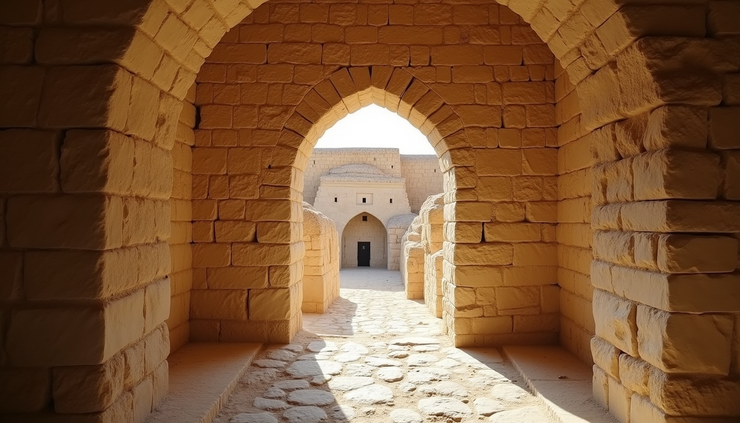
In Genesis 23, Sarah dies at the age of 127 while Abraham is living in the promised land. Abraham’s desire to bury her there reflects a deep connection to the land God promised him and his descendants. He approaches the Hittites to buy a burial site, specifically a cave in the field of Machpelah. Although the man initially offers the cave for free, Abraham insists on paying the full price, demonstrating respect for the land and its owners.
This transaction is significant for several reasons:
Ownership and Legacy: By purchasing the land, Abraham establishes a tangible claim to the promised land, not just for himself but for future generations.
Respect for Local Customs: Abraham’s insistence on paying shows his respect for the local inhabitants and their laws.
Symbolic Burial Site: The cave becomes a family tomb, linking Abraham and Sarah’s legacy to a physical location in the land God promised.
This story contrasts with the burial places of other biblical prophets, which are often less detailed or not mentioned at all. It also shows his good character, which is rarely displayed in the Bible regarding other Prophets.
Abraham’s Death and Burial by His Sons
Genesis 25:7-10 records Abraham’s death at age 145. His sons, Isaac and Ishmael, buried him in the same cave with Sarah. This act of burial by his sons highlights the continuity of Abraham’s family line and the fulfillment of God’s promise to make Abraham the father of many nations.
Key points from this passage include:
Family Unity: Despite later tensions between Isaac and Ishmael, they come together to honor their father.
Fulfillment of Promise: The burial in the promised land symbolizes the ongoing covenant between God and Abraham’s descendants.
Historical Anchor: The cave serves as a historical and spiritual anchor for the Abrahamic faiths.
Comparison with Other Biblical Prophets
Dr. McBride points out that the detailed account of Abraham’s burial is unusual compared with that of other prophets, such as Lot, Elisha, and Solomon. Their character is not shown to be noble compared to that of Abraham
For example:
Lot: is depicted as a drunk who committed incest
Elisha: is depicted as having a bear kill children
Solomon: is depicted as a pagan and a womanizer
This difference suggests that these other Prophets failed to honor the ten commandments, whereas Abraham did
Insights from Quranic Narratives
The Quran depicts all the Prophets as noble, honorable men who upheld their covenant with Allah.
Reflecting on the Unspoken Legacy
Dr. McBride’s analysis encourages us to look beyond the well-known stories and consider what is left unsaid or less emphasized. Abraham’s burial is a quiet yet powerful testament to his lasting impact.
This legacy invites readers to:
Explore the shared roots of different faiths.
Recognize the importance of men in spiritual history.
Appreciate the human elements in sacred stories.
By paying attention to these details, we gain a richer understanding of what a true Prophet is


Comments