


The Virtues of Certain Surah of the Quran Unveiled in Riyadhus Saliheen Class

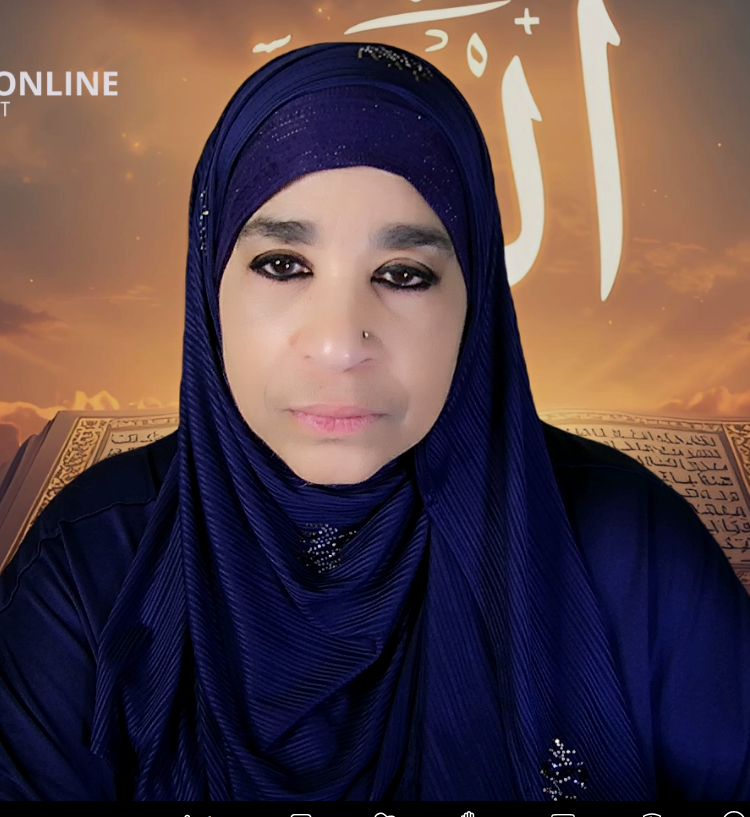
The Quran holds a special place in the hearts of Muslims worldwide, and certain surahs carry profound virtues and spiritual benefits. In a recent Riyadhus Saliheen class, Ustadah Laila Nasheeba shared illuminating explanations of hadiths that highlight the significance of some of the most important surahs, including Al-Fatiha and Al-Ikhlas. These teachings deepen our understanding of the Quran’s power and encourage us to engage with it more meaningfully.

The Greatest Surah: Al-Fatiha
Surah Al-Fatiha, the opening chapter of the Quran, is often described as the greatest surah. It is recited in every unit of the Muslim prayer (Salah), underscoring its central role in worship. Ustadah Laila emphasized that Al-Fatiha is not just a chapter but a comprehensive supplication that encompasses praise, gratitude, and a plea for guidance.
The Prophet Muhammad (peace be upon him) taught that Al-Fatiha is a conversation between the servant and Allah. When recited with understanding and sincerity, it connects the believer directly to their Creator. This surah contains seven verses that cover essential themes:
Praise of Allah’s mercy and sovereignty
A request for guidance on the straight path
A plea to avoid the path of those who have gone astray
The significance of Al-Fatiha is further supported by hadiths that describe it as a cure for spiritual ailments and a source of blessings. Its recitation is a means to seek Allah’s mercy and protection in daily life.
The Virtue of Surah Al-Ikhlas
Surah Al-Ikhlas holds a unique place in the Quran due to its concise yet profound declaration of monotheism. Ustadah Laila shared a hadith narrated by Anas (may Allah be pleased with him) where a man expressed his love for Surah Al-Ikhlas. The Prophet (PBUH) responded, "Your love for it will admit you to Jannah" (At-Tirmidhi). This powerful statement highlights the spiritual reward tied to loving and reciting this surah.
Surah Al-Ikhlas consists of four verses that affirm the oneness and uniqueness of Allah:
Allah is One and Absolute
He is eternal and self-sufficient
He does not beget nor is He begotten
No one is comparable to Him
The Prophet (PBUH) also said that reciting Surah Al-Ikhlas is equivalent to reciting one-third of the Quran. This comparison shows the immense value of this short surah in encapsulating the core belief of Islam.
Seeking Protection with Surah Al-Falaq and Surah An-Nas
Before the revelation of Surah Al-Falaq and Surah An-Nas, the Prophet Muhammad (PBUH) sought protection from the evil of jinn and the evil eye through various means. After these two surahs were revealed, he used them exclusively for seeking Allah’s protection and abandoned all other methods.
These two surahs, known as Al-Mu’awwidhatayn (the two protectors), are short chapters that Muslims recite regularly to seek refuge from harm and evil influences. Their revelation marked a significant moment in Islamic practice, emphasizing reliance on Allah alone for protection.
The Intercession of Surah Al-Mulk
Another important surah discussed in the class was Surah Al-Mulk. Abu Hurairah (may Allah be pleased with him) reported that the Prophet (PBUH) said, "There is a Surah in the Qur'an which contains thirty Ayat which kept interceding for a man until his sins are forgiven. This Surah is ‘Blessed is He in Whose Hand is the dominion’ (Surat Al-Mulk 67)."
This hadith reveals the intercessory power of Surah Al-Mulk, which encourages Muslims to recite it regularly, especially before sleeping. The surah serves as a shield against punishment in the grave and a means of forgiveness.
The Greatest Ayah in the Quran
In class, Ustadah Laila also shared a hadith in which the Prophet (PBUH) asked Abu Mundhir whether he knew the greatest verse in the Quran. Abu Mundhir replied with Ayat al-Kursi (2:256): "Allah! There is no deity except Him, the Ever-Living, the Sustainer of existence."
The Prophet (PBUH) responded by patting Abu Mundhir’s chest and telling him to rejoice in this knowledge. Ayat al-Kursi is widely regarded as the most powerful verse in the Quran, offering protection, mercy, and a reminder of Allah’s supreme authority.
Practical Ways to Incorporate These Surahs in Daily Life
Understanding the virtues of these surahs inspires believers to integrate their recitation into daily routines. Here are some practical tips:
Recite Surah Al-Fatiha with focus and reflection during every prayer to strengthen your connection with Allah.
Make a habit of reciting Surah Al-Ikhlas three times in the morning and evening for spiritual protection and reward.
Use Surah Al-Falaq and Surah An-Nas as daily supplications to seek refuge from harm and negative influences.
Recite Surah Al-Mulk before sleeping to benefit from its intercession and protection in the grave.
Memorize and reflect on Ayat al-Kursi to remind yourself of Allah’s power and mercy throughout the day.
The Spiritual Impact of Loving and Reciting These Surahs
The hadiths shared in the Riyadhus Saliheen class highlight that loving these surahs is not just about recitation but about internalizing their meanings. The Prophet’s (PBUH) words show that love for Surah Al-Ikhlas can admit a person to Paradise, and knowledge of Ayat al-Kursi brings joy and reassurance.
This spiritual connection transforms the act of reciting Quranic verses into a source of comfort, protection, and hope. It encourages believers to approach the Quran with sincerity and devotion, seeking not only to read but to live by its teachings.


Comments