


Navigating Identity Challenges: Insights from Mohammed Ziedeh and Dr Ibrahim Dremali for Muslim Youth

Muslim youth today often face significant challenges in maintaining their Muslim identity, especially in environments that may be hostile or indifferent to their faith. Brother Mohammed Ziedeh and Dr Ibrahim Dremali recently shared valuable insights on how young Muslims can stay strong and rooted in their beliefs despite these difficulties. Drawing from the Quran and the Sunnah, they offered practical guidance to help youth navigate these complex social landscapes with confidence and resilience.

Understanding the Challenges Muslim Youth Face
Muslim youth often find themselves in environments where their faith is misunderstood, questioned, or even rejected. This can happen in schools, workplaces, or social settings where Islamophobia or cultural ignorance prevails. These challenges may include:
Pressure to conform to secular or non-Muslim cultural norms.
Misrepresentation of Islam in media and popular culture.
Social isolation or bullying due to religious practices.
Difficulty practicing religious obligations openly, such as prayer or fasting.
Mohammed Ziedeh and Dr Ibrahim Dremali emphasize that recognizing these challenges is the first step toward addressing them effectively. Awareness helps youth prepare mentally and spiritually for the obstacles they might encounter.
Staying Rooted in Faith Through Knowledge
Both speakers highlight the importance of deepening one’s understanding of Islam. Knowledge builds confidence and equips youth to respond to misconceptions with clarity and wisdom. They recommend:
Regular study of the Quran with translation and tafsir (exegesis) to grasp the meanings and context.
Learning from authentic Hadiths to understand the Prophet Muhammad’s (peace be upon him) example.
Attending Islamic classes or study circles to engage with scholars and peers.
Using reliable online resources that provide accurate Islamic teachings.
By grounding themselves in knowledge, Muslim youth can strengthen their identity and feel empowered to explain their faith when questioned.
Building a Supportive Community
Isolation can make it harder to maintain faith, especially in hostile environments. Mohammed Ziedeh and Dr Ibrahim Dremali stress the value of surrounding oneself with a supportive community. This can include:
Family members who share or respect Islamic values.
Friends from the Muslim community who understand similar experiences.
Local mosques and Islamic centers that offer social and spiritual support.
Online Muslim youth groups that provide encouragement and advice.
A strong community offers emotional support, shared experiences, and practical help, making it easier to stay committed to Islamic principles.
Practical Tips for Navigating Hostile Environments
The speakers offer several practical strategies for Muslim youth to maintain their identity in challenging settings:
Practice patience and kindness when facing ignorance or hostility. Responding calmly can open doors for dialogue.
Maintain regular prayers and fasting even if it requires creative solutions, such as praying quietly or fasting discreetly.
Dress modestly but confidently, reflecting Islamic values without feeling pressured to conform.
Use moments of curiosity from others as opportunities to share positive aspects of Islam.
Avoid confrontations that escalate tensions; instead, seek peaceful ways to express beliefs.
These approaches help youth stay true to their faith while fostering respect and understanding in their communities.
Drawing Strength from the Quran and Sunnah
Mohammed Ziedeh and Dr Ibrahim Dremali remind youth that the Quran and Sunnah provide timeless guidance for facing adversity. Several verses and prophetic traditions encourage perseverance, patience, and trust in Allah’s plan. For example:
The Quran says, “Indeed, Allah is with the patient.” (Surah Al-Baqarah 2:153)
The Prophet Muhammad (peace be upon him) said, “The strong believer is better and more beloved to Allah than the weak believer, while there is good in both.” (Sahih Muslim)
By reflecting on these teachings, Muslim youth can find motivation and reassurance to continue their journey with faith and dignity.
Encouraging Positive Identity Formation
Identity is not just about resisting external pressures but also about building a positive self-image rooted in faith. The speakers encourage youth to:
Celebrate Islamic heritage and achievements to foster pride.
Engage in community service and charitable acts as expressions of faith.
Develop personal goals aligned with Islamic values in education, career, and relationships.
Practice self-reflection and spiritual growth regularly.
This proactive approach helps youth see their Muslim identity as a source of strength and purpose rather than a burden.
Role Models and Mentorship
Having role models who have successfully navigated similar challenges can inspire Muslim youth. Mohammed Ziedeh and Dr Ibrahim Dremali suggest seeking community mentors who can offer guidance, share experiences, and provide encouragement. These mentors might be:
Imams or Islamic scholars.
Community leaders.
Older youth or young adults who balance faith and modern life.
Mentorship creates a support network that helps youth feel less alone and more confident in their identity.
Encouraging Open Dialogue and Education
Both speakers stress the importance of educating others about Islam to reduce misunderstandings. Muslim youth can play a role by:
Participating in interfaith dialogues.
Sharing their experiences and perspectives respectfully.
Correcting stereotypes with facts and personal stories.
Open communication fosters mutual respect and can gradually change hostile attitudes.
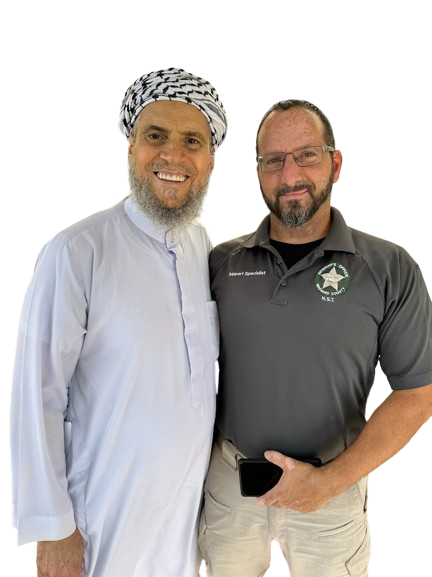


Wonderful class