


Understanding Victory through Surah Al Anfal Lessons in a Digital Age
- Laila Nasheeba
- Jul 8
- 3 min read

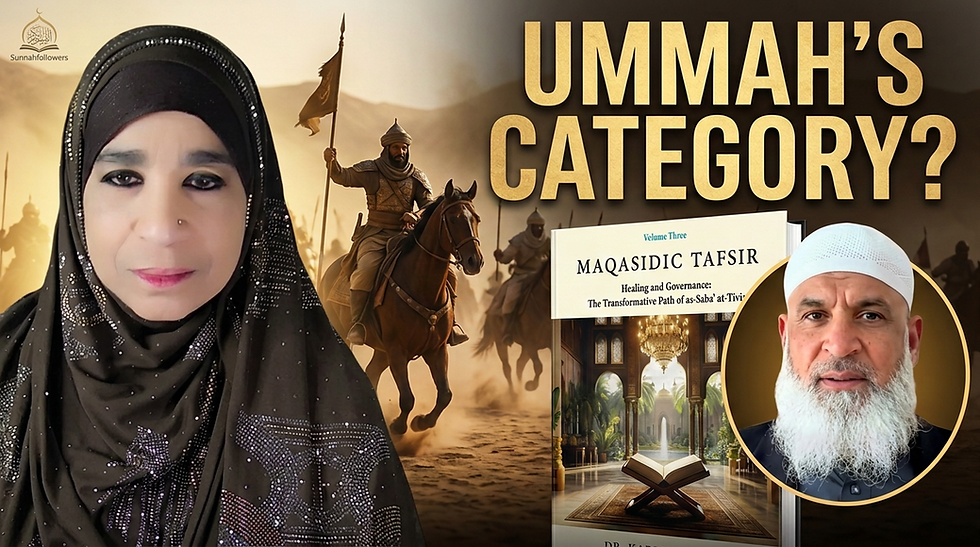
Victory in any conflict is often seen as a matter of numbers—more soldiers, more resources, more followers. Yet, Surah Al Anfal, particularly verses 67 to 71, offers a deeper insight into what truly determines success or failure in conflict. Ustadah Laila Nasheeba’s explanation, drawing from Dr. Karim Abuzaid’s Maqasidic approach, reveals that victory depends not on quantity but on the quality and unity of a mobilized group. This lesson holds profound relevance today, especially as we navigate a digital world where social media numbers often overshadow substance.
This post explores the key lessons from these verses, connecting them to modern challenges and opportunities in a digital age. We will examine how understanding the principles behind victory can reshape our approach to conflict, community building, and influence.
The Core Message of Surah Al Anfal Verses 67-71
These verses address the dynamics of conflict during the time of the Prophet Muhammad (peace be upon him), focusing on the Battle of Badr and the lessons learned from it. The disbelievers’ defeat is attributed to their failure to grasp the essential principles that lead to victory.
Key Principles Highlighted
Unity over Numbers
The strength of a group is not measured by how many members it has but by how united and committed those members are. A small, cohesive group can overcome a larger, fragmented one.
Mobilization and Preparedness
Victory requires readiness and the ability to mobilize effectively. This includes strategic planning, clear communication, and shared purpose.
Faith and Morality
The verses emphasize that spiritual strength and adherence to moral principles are critical. Victory is not just physical but also moral and spiritual.
These principles challenge the common misconception that success in conflict or influence is about sheer size.
Applying the Lessons to Today’s Digital World
In today’s digital landscape, numbers often dominate perceptions of influence. Followers, likes, shares, and views are seen as measures of success. Yet, Surah Al Anfal’s message reminds us that these metrics do not guarantee true strength or victory.
Authentic Connections
A smaller community with genuine engagement can have a far greater impact than a large, passive audience. For example, a social media account with 1,000 active supporters who share and act on messages is more powerful than one with 100,000 silent followers.
Shared Purpose and Values
Groups that align around clear values and goals mobilize more effectively. This unity drives collective action and resilience.
Strategic Use of Digital Tools
Just as the early Muslims prepared and planned for battle, digital communities must use tools wisely. This means focusing on meaningful content, fostering dialogue, and building trust rather than chasing vanity metrics.

Conflict Dynamics Beyond the Battlefield
The lessons from Surah Al Anfal extend beyond physical conflict to any situation involving competition, disagreement, or struggle for influence.
Examples in Modern Contexts
Social Movements
Movements that succeed often have a core group of dedicated activists rather than just large numbers of passive supporters. The civil rights movement, for example, was driven by committed individuals who organized strategically.
Workplace Challenges
Teams that work cohesively with shared goals outperform larger, disorganized groups. Leadership that fosters unity and clear communication creates a winning environment.
Online Communities
Forums and groups that cultivate trust and shared purpose maintain longevity and influence, unlike those that focus solely on growing numbers.
How to Build a Victorious Group Today
Drawing from the Surah’s teachings, here are practical steps to build a strong, victorious group in any context:
Focus on Core Values
Define and communicate clear values that unite members.
Encourage Active Participation
Engage members in meaningful ways to build commitment.
Develop Strategic Plans
Prepare for challenges with clear goals and roles.
Build Trust and Morality
Uphold ethical standards to strengthen group cohesion.
Use Digital Tools Wisely
Prioritize quality content and interaction over superficial metrics.
The Spiritual Dimension of Victory
Surah Al Anfal reminds us that victory is not only about physical or material success but also about spiritual integrity. Faith and reliance on God’s guidance are central to overcoming challenges.
This spiritual perspective encourages patience, resilience, and ethical conduct, which are essential for sustainable success.
Live Lecture https://youtube.com/live/TR8aIdrV1AA



Comments